
Harnessing AI to
Transform Medical Research
运用人工智能变革医学研究
Cody HU is a PhD candidate in Computer Science at the University of Sydney, celebrated for his exceptional academic achievements, including the Undergraduate High Honour Roll, three Research Scholarships, and the Best Project Award at the USYD Coding Festival 2024.
At the forefront of integrating artificial intelligence into health research, Cody’s work leverages advanced language models to analyze clinical studies, identify inconsistencies, and promote greater transparency in clinical trials, efforts poised to make a profound impact on medical research and patient safety.
We had the privilege of speaking with Cody about his academic journey, innovative projects, and vision for the future. His work exemplifies how AI can revolutionize medical research by enhancing transparency, improving predictive capabilities, and addressing critical ethical challenges. Cody’s insights offer valuable guidance for aspiring data scientists eager to create meaningful change in this vital field.
Cody HU是悉尼大学计算机科学专业的博士生,其卓越的学术表现使他屡获殊荣:入选本科高阶荣誉榜单、斩获三项研究奖学金,更荣膺2024年悉尼大学编程节最具创新力项目大奖。
Cody的工作将人工智能融入健康研究领域,利用先进的语言模型分析临床研究、识别不一致性,并提升临床试验的透明度。这些努力有望对医学研究和患者安全产生深远影响。
Airs de Paris有幸独家专访Cody,了解他的学术探索之路、前沿研究项目以及行业前瞻视野。他的创新性工作生动诠释了人工智能技术如何通过三大核心价值推动医学研究的变革:建立更透明的研究体系、开发更精准的预测模型,以及构建更完善的伦理治理框架。对于立志在医疗数据科学领域有所建树的新生代研究者而言,Cody的实践经验和行业洞见无疑提供了极具价值的专业指引。
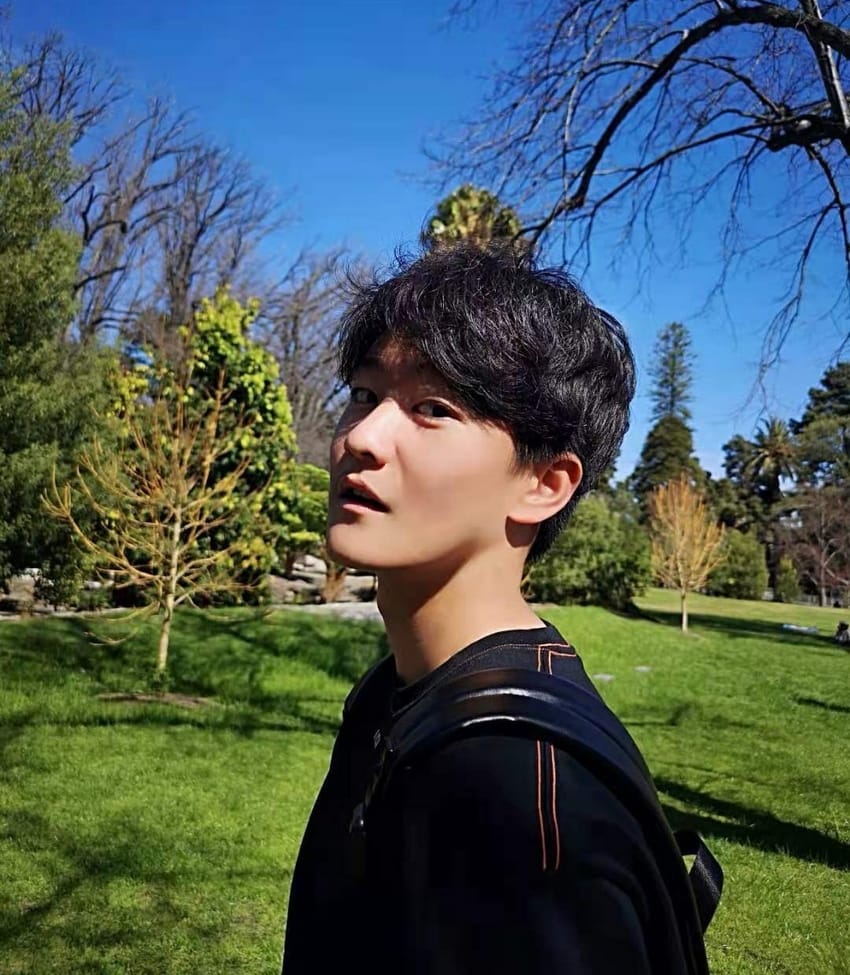
Can you introduce yourself and tell us about your studies?
I’m currently pursuing my PhD in Computer Science at the University of Sydney. Right now, I’m working on one of my recent research projects, which I plan to submit for publication next month. This project uses large language models to analyze structured textual data from clinical studies and predict trial safety outcomes. The goal is to leverage early-stage information to anticipate participant risks.
Another project involves building language models that is specialized in complex medical tasks. One example is detecting changes in trial outcome over time, which might reveal shifts in how studies are conducted or reported. Often, during trials, outcomes are adjusted mid-way to make results appear more favorable. Our model aims to automatically identify such changes to ensure transparency.
That sounds like a lot of work, what inspired you to choose this field?
I initially chose computer science and data science because data is everywhere now, and many industries need data scientists—from tech giants like Google to pharmaceutical companies and even fashion brands. I got interested in health and AI specifically after an internship at a medical research center. That experience was rewarding and meaningful, especially since it involved cancer treatment research. It felt very rewarding, which motivated me to continue in this area.
How do you come up with ideas for your projects?
It’s usually a team effort. My supervisors, who works in computer science and public health, provides the overall direction and suggestions. Then, the students expand those ideas into detailed project plans. So, I contribute as part of a collaborative team.
What are the biggest challenges in your field today?
Ethics is a major challenge. Every project requires a lengthy ethics approval process. For example, in one project, we ask patients for consent to use their data for research and ensure doctors are fully informed. Transparency is key, and we must navigate these ethical considerations carefully for every study.
How do you balance technical development with ethical concerns?
Ethics are deeply integrated into our work. For instance, in a project assessing treatments using AI, we inform both patients and doctors that AI models will evaluate treatments. Some doctors may feel uneasy about being assessed by AI, so we maintain transparency by sharing results and communicate with them. This ethical oversight is essential and part of every project.
What skills have you gained through your research?
Critical thinking has been invaluable. During my honours year, I learned not to take published scientific articles at face value. Many papers have flaws or unreliable data. Now, I critically evaluate research quality, which is crucial for producing trustworthy work.
What are your main sources of information?
I rely on top journals and conferences in my field, such as Nature journals and leading AI conferences. These venues have very strict peer review process so the quality of research there should be reliable.
How do you see technology helping build a better, more sustainable world?
Technology, especially AI, is accelerating innovation and improving efficiency. In healthcare, doctors often struggle with time constraints. AI can help save time, allowing doctors to spend more time with actual patients and improve health outcomes. Ultimately, AI can contribute to better health systems and overall well-being.
What advice would you give to students interested in data science?
Be friends with Generative AI tools! Learn to use AI tools effectively—they’re like the new Google. Just as knowing how to search online gave people an edge, mastering AI tools will set you apart. There are many online courses teaching how to get the best results from AI. Embracing these tools is essential for anyone entering data science.
您能介绍一下自己并谈谈您的研究吗?
我目前正在悉尼大学攻读计算机科学博士学位。最近我正在开展一个研究项目,计划下个月提交发表。该项目利用大语言模型分析临床研究中的结构化文本数据,并预测试验安全性结果。目标是利用早期信息预判参与者的风险。
另一个项目涉及构建专精于复杂医学任务的语言模型。例如,检测试验结果随时间的变化,这可能揭示研究实施或报告方式的调整。在试验过程中,结果指标常被中途修改以使数据显得更有利。我们的模型旨在自动识别此类变更以确保透明度。
听起来工作量很大,是什么促使您选择这个领域?
我最初选择计算机科学与数据科学是因为数据已无处不在,从谷歌这样的科技巨头到制药公司甚至时尚品牌,各行各业都需要数据科学家。在医学研究中心实习后,我对健康与AI的结合产生了特别兴趣。那段经历很有意义,尤其是涉及癌症治疗研究时,这种成就感推动我继续深耕该领域。
您的项目灵感通常来自哪里?
这通常是团队协作的结果。我的导师们从事计算机科学与公共卫生研究,他们会提供总体方向和建议。然后学生们将这些构想扩展为详细方案。因此我的贡献是团队合作的一部分。
您所在领域目前面临的最大挑战是什么?
伦理审查是我们面临的首要挑战。每个研究项目都必须经过严格的伦理审批流程,这个过程往往耗时较长。举例来说,在某个临床研究项目中,我们不仅需要获得患者对其数据使用的明确授权,还必须确保医疗团队对研究细节有充分认知。保持全程透明是我们的核心准则,因此我们会在每个研究环节都审慎处理这些伦理议题。
在技术开发过程中,您们如何确保与伦理要求相平衡?
我们将伦理规范深度整合到技术开发的每个阶段。比如在一个采用AI技术评估治疗方案的项目中,我们坚持 »双告知 »原则——既向患者说明AI的参与程度,也向主治医师明确AI模型的评估角色。考虑到部分医生可能对AI介入临床评估存在顾虑,我们建立了结果共享机制和定期沟通渠道,确保整个评估过程公开透明。这种贯穿项目全周期的伦理监督机制,已经成为我们所有研究工作中不可分割的组成部分。
通过研究您获得了哪些重要技能?
批判性思维弥足珍贵。在荣誉学年期间,我学会不再轻信已发表的科学论文——许多研究存在缺陷或不可靠数据。现在我都会严格评估研究质量,这对产出可信成果至关重要。
您主要的信息来源是什么?
我依赖领域内的顶级期刊和会议,例如《自然》系列期刊和顶尖AI会议。这些平台的同行评审极其严格,研究成果质量有保障。
如何看待技术助力构建更美好、可持续的世界?
技术特别是AI正在加速创新并提升效率。在医疗领域,医生常受困于时间压力。AI能节省时间,让医生更专注于患者诊疗从而改善健康结果。最终AI将助力构建更优质的医疗体系和整体福祉。
对有志于数据科学的学生有什么建议?
与生成式AI工具交朋友!学会高效使用它们——这就像新时代的谷歌。正如当年掌握网络搜索能获得优势,精通AI工具将使你脱颖而出。现在有很多在线课程教授如何优化AI输出结果。拥抱这些工具是进入数据科学领域的必备技能。
Interview: Maria
French Version:
https://www.airsdeparis.fr/ecologie/interview-avec-cody-hu/


Printed magazine

https://www.journaux.fr/airs-de-paris_mode-beaute_feminin_280044.html
Subscription worldwide

https://www.uni-presse.fr/abonnement/abonnement-magazine-airs-de-paris/