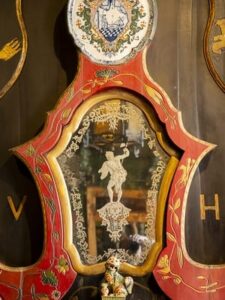
Victor Hugo, one of the great figures of French literature, was far more than a writer, poet or playwright.
He was a universal spirit, a bearer of light, and a bridge between cultures, eras and nations.
A Writer of Universal Values
Victor Hugo embodied, in his own way, a bridge between cultures—a universal connection transcending geographical, artistic and historical boundaries.
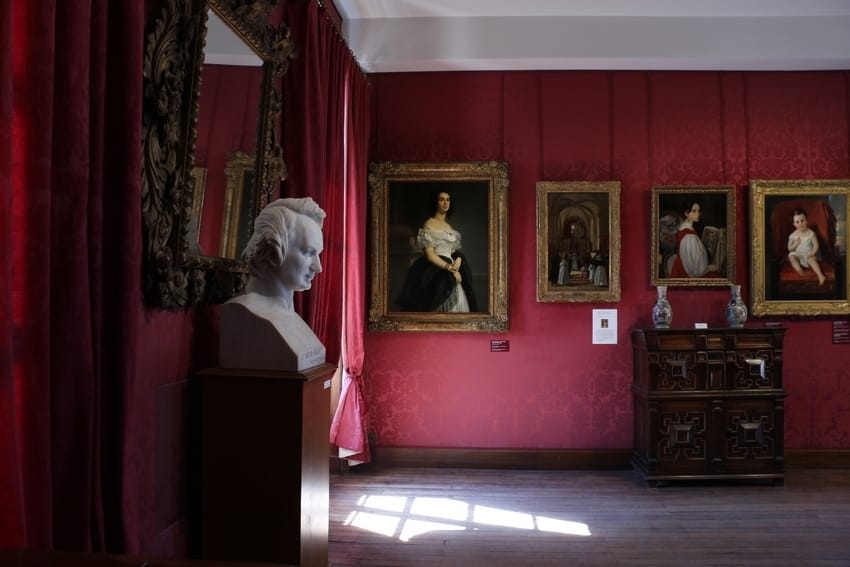
Masterpieces such as Les Misérables and The Hunchback of Notre-Dame are far more than simple stories. They convey powerful messages about fundamental human values such as justice, freedom and love.
These universal themes touch the very essence of humanity, resonating across generations and cultures.
Every word, every page of his writing echoes with a powerful message, finding its place in cultures around the world.
Hugo did not simply tell stories: he revealed the human soul, its struggles and its hopes, in a language that speaks to everyone, regardless of the time or place in which it is read.
His works transcend time and space, inviting every reader to reflect on their own condition and on the challenges facing society.
A Visionary Artist
Beyond his literary work, Victor Hugo was also a talented artist. He explored painting and drawing, creating works filled with mystery and imagination.
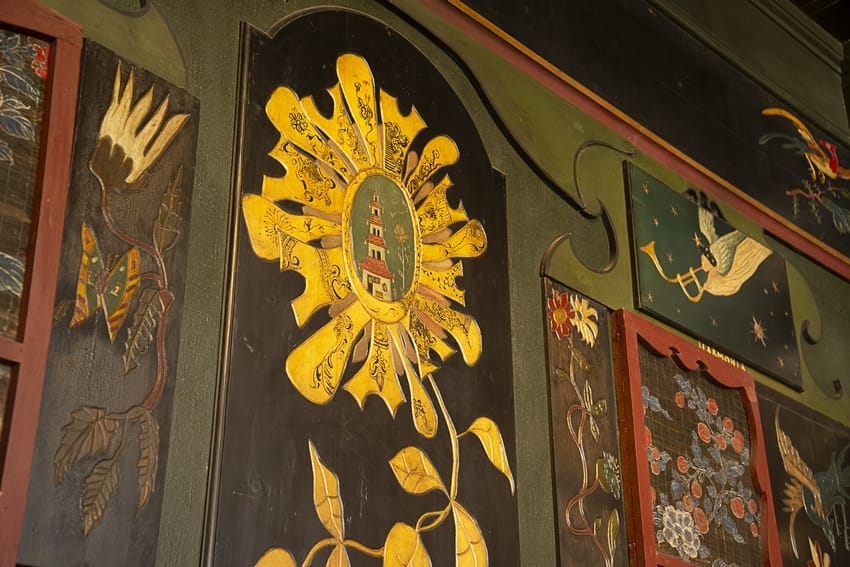
His drawings, although less well known, reveal a curious and open mind, receptive to other artistic traditions. His ability to incorporate diverse influences into his art illustrates his visionary spirit and his desire to build bridges between civilizations.
Victor Hugo and China:
A Spiritual Affinity
In China, Hugo is more than a foreign writer. He is a traveler of ideas, a humanist whose values have found a deep resonance. His works, taught in schools throughout the country, carry a legacy of compassion, equality and the struggle for human dignity.
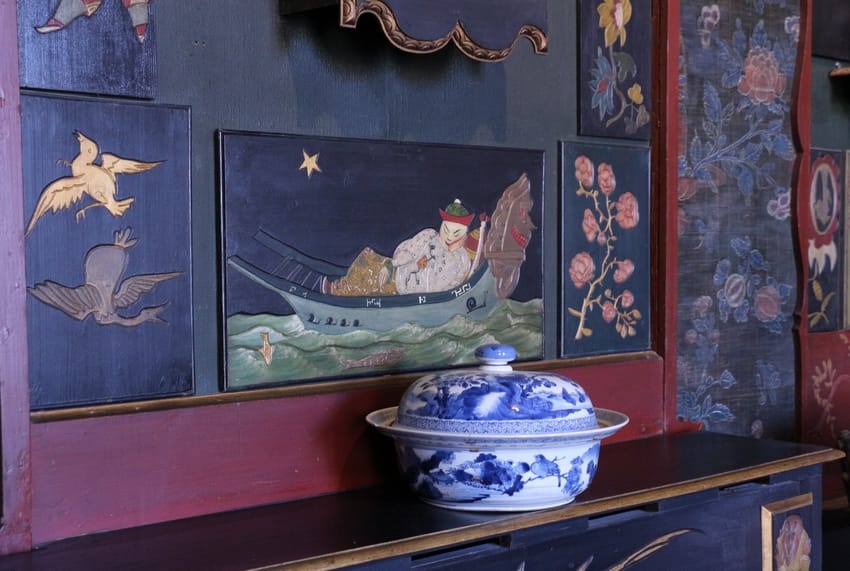
But his connection with China goes beyond his words. Victor Hugo was fascinated by Asian cultures, particularly Chinese art. This admiration was reflected in his everyday life, notably at his home in Guernsey, where he created a magnificent Chinese Room.
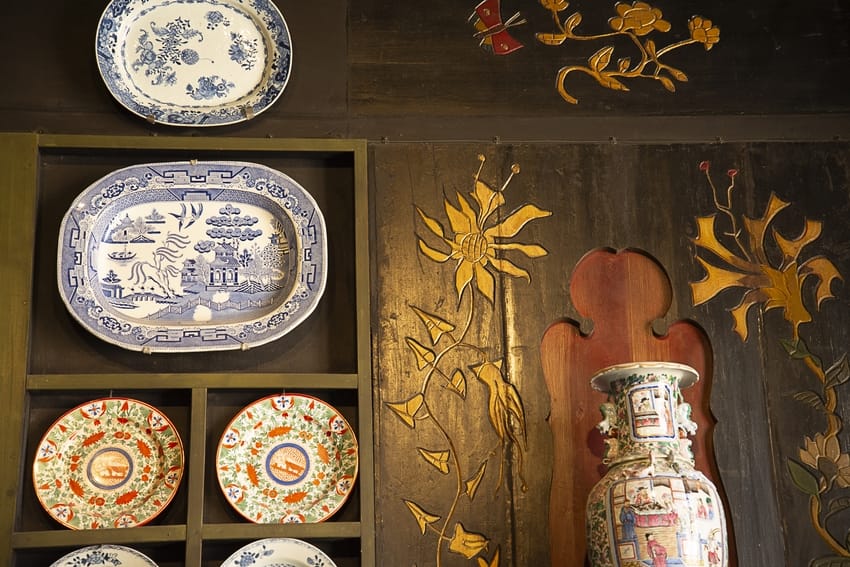
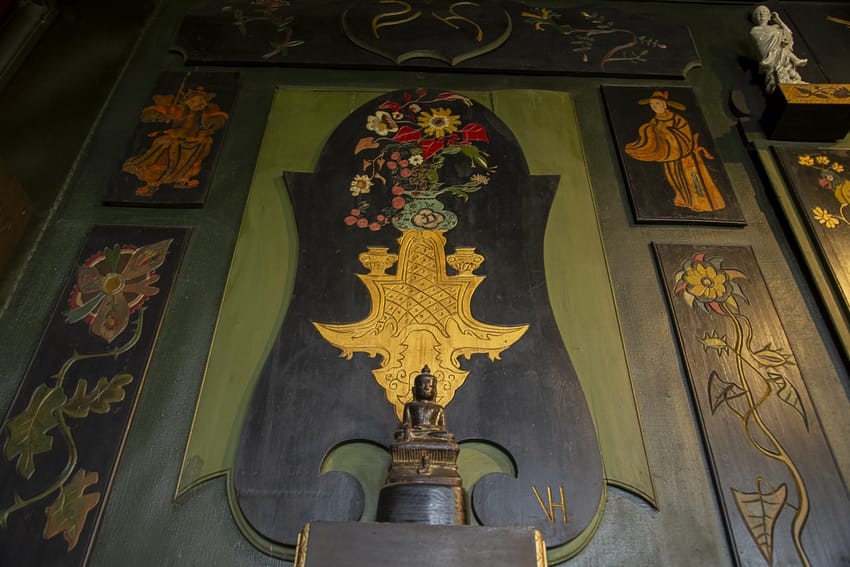
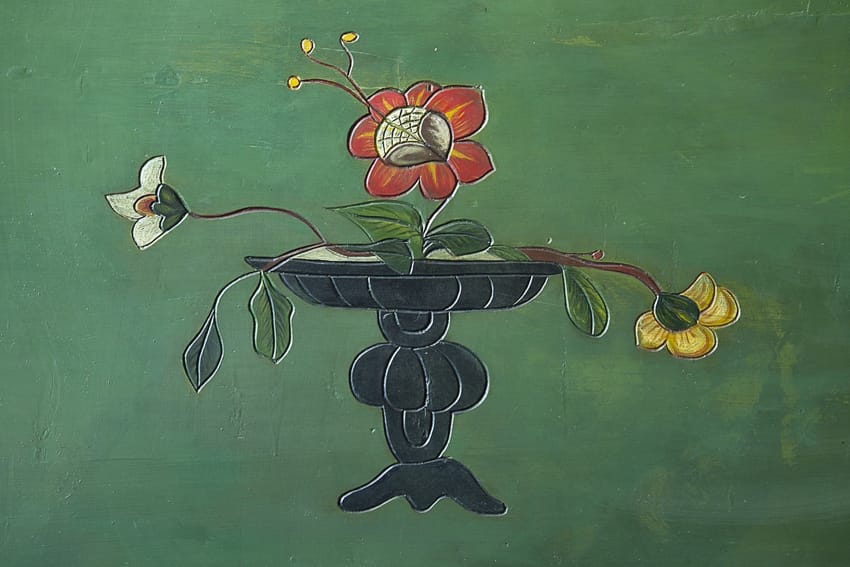
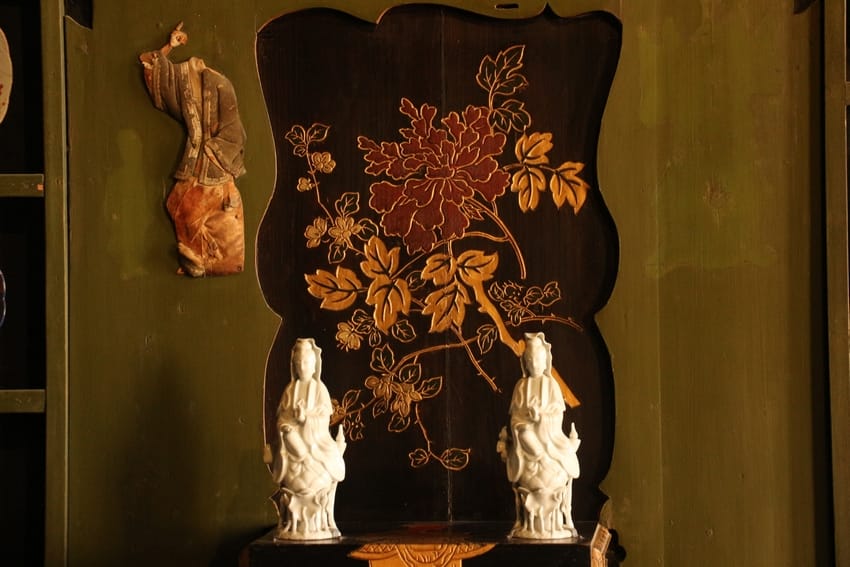
Hugo decorated this room himself, and it was far more than a purely ornamental space. The paintings he created, imbued with a distinctive sensitivity, were a genuine expression of intercultural dialogue—a silent bridge extending between East and West.
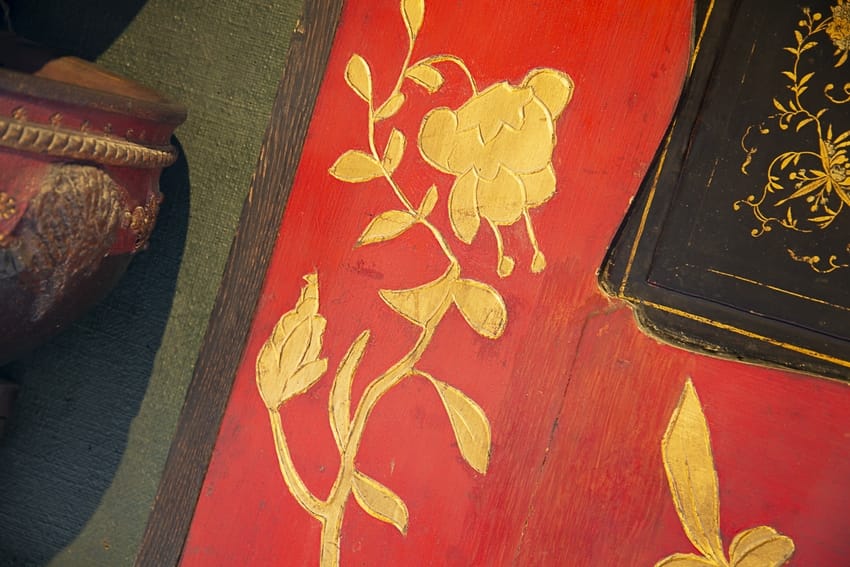
In this haven of contemplation and beauty, delicate porcelain pieces and red-and-gold woodwork created a silent yet eloquent narrative.
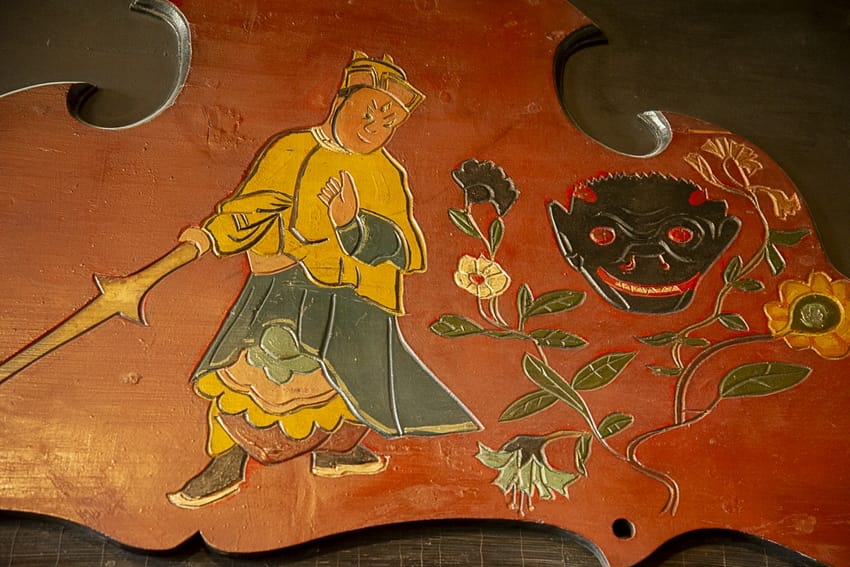
Every element seemed to whisper a story, a conversation between two worlds, where Asian art met the poetic imagination of a European genius.
The room became a living work of art, paying tribute to cultural diversity and the universality of art.
A Spirit Between Past and Future
Victor Hugo embraced a deeply humanistic vision. Through his words and his creations, he embodied universal values and wove together threads of inspiration that continue to resonate today.
His work invites us to imagine a world where cultural differences are not walls, but sources of richness that deepen our shared humanity.
His message, powerful and deeply moving, continues to resonate in contemporary struggles.
Hugo reminds us that diversity, far from being a barrier, is a bridge connecting us in a shared quest for peace, solidarity and mutual understanding.
Every page of his work is a call to empathy, an invitation to celebrate our differences as colors woven into the vast tapestry of humanity.
Every line of his creations shines like a light—a source of inspiration for generations both present and future.
Interview with
Gérard Audinet
Through his written, graphic and decorative works, Victor Hugo remains a paradoxical, universal and timeless figure.
Gérard Audinet is the director of the Victor Hugo Houses in Paris and Guernsey. He offers an insightful and passionate perspective that helps us better understand the richness and complexity of this extraordinary artist and thinker.
As director of the museum, how do you view Victor Hugo and his artistic legacy?
As places of memory, both in Paris and Guernsey, the Victor Hugo Houses bear witness to Hugo through images and objects. I am therefore particularly sensitive to Victor Hugo’s artistic work, both as a draughtsman and decorator, in addition to his role as a writer.
His work always belongs to its time while simultaneously escaping it.
His graphic and decorative works are invariably distinctive. His drawings, in particular, tend to be perceived as timeless. They fascinate many contemporary artists, and the vast majority of loan requests I receive are for modern or contemporary art exhibitions.
This is undoubtedly because Hugo used unconventional techniques and created works infused with a profound sense of dreamlike imagery and poetry. His drawings therefore retain an extraordinary relevance for us today.
What, in your view, is the importance of his work in today’s cultural context?
Victor Hugo occupies a very particular and ambiguous place in today’s cultural landscape. He is very famous—perhaps too famous, yet not well enough known!
Victor Hugo is often perceived in a monolithic, stereotypical and simplified way. He has been overshadowed by Les Misérables, at the expense of the more astonishing and disturbing aspects of his work. And even within the modern literary landscape, the writer has sometimes been overshadowed by the draughtsman. Our contemporary relationship with Victor Hugo is therefore undoubtedly biased and, in any case, highly partial.
Yet I believe Hugo’s true interest lies in his diversity, and even in his contradictions—or what may appear to us as contradictions.
We tend to put labels on people and divide them into categories. Hugo is « left-wing, » yet deeply religious. He believes in God, yet is fiercely anticlerical, and so on.
He is free to the point of appearing paradoxical to us.
In Les Misérables, he presents a remarkably original and dialectical vision of the world: a good action can lead to a bad consequence, while a bad action can produce a good one. He even describes freedom as the daughter of Satan, born with God’s permission!
These are precisely the kinds of ideas that challenge us and take us far beyond the comfort of our habitual ways of thinking.
Hugo is an author who refuses to fit neatly into his time.
Today, when we often want to read quickly and consume easily accessible material, Hugo’s most difficult texts are perhaps his most dazzling. They are the works that move us most deeply and take us furthest.
How did Victor Hugo incorporate influences from Chinese painting into his art?
Victor Hugo probably had little or no knowledge of Chinese painting—as we understand it in terms of the art of the brush and the literati tradition. There were very few examples of this art available in Europe at the time.
What he did know was Chinese decorative art: lacquer furniture, porcelain, ceramics, silk and other objects, as well as products made for export to the West, particularly those produced in Canton.
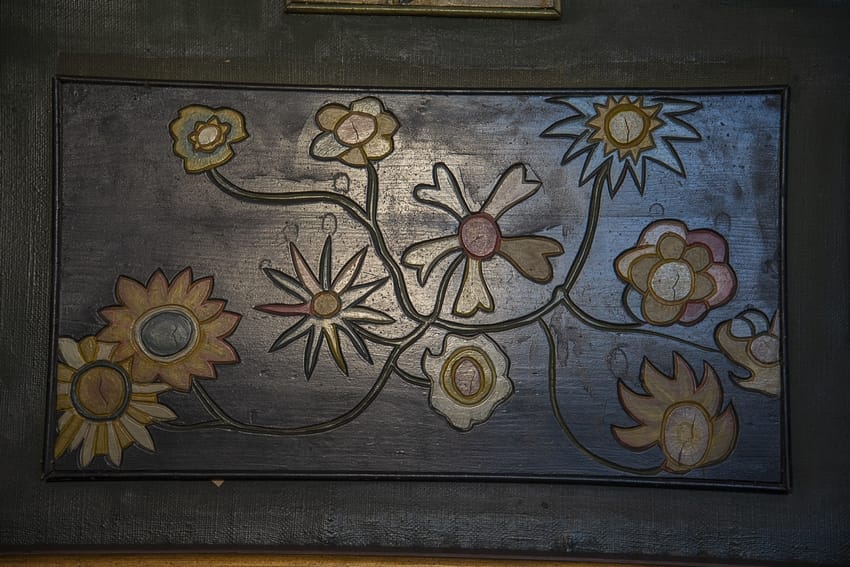
These were the sources from which he drew inspiration for the painted and engraved panels he created for Hauteville II, Juliette Drouet’s house in Guernsey.
Inspired by Chinese lacquer techniques, he designed motifs on the wooden panels, which he then had his craftsmen engrave and paint. He personally selected the colors and sometimes intervened himself to add the finishing touches.
Could you tell us about his interactions with Asian culture and how they influenced his work?
Hugo probably did not possess an in-depth knowledge of Asian culture.
His relationship with Chinese and Japanese art—which he did not always clearly distinguish—was essentially visual. Until around 1863, objects from Japan were still relatively inaccessible in the West.
What seems to have fascinated him was their visual strangeness, their extreme difference from Western art, and the sense of an unfamiliar artistic language.
It was another language rather than simply a new language. In this respect, however, Hugo anticipated the growing interest in « primitive arts » that emerged at the beginning of the twentieth century.
Although his purchases are often poorly documented, his curiosity appears to have had no boundaries. He was attracted to any strange or unusual object that happened to come his way, including objects from Oceania, which was extremely unusual for his time.
Hugo incorporated these objects—or sometimes did not—into his decorative environments more than into his drawings.
Anything could feed his dreamlike, poetic and symbolic universe.
He loved bringing different geographies into contact with one another. He could speak of the China he found in Spain, or of a « Chinese Old Holland. »
Editorial: Hervé

Magazine digital – Fashion

https://airsdeparis.com/publication/airs-de-paris-2024-mode-2/
Magazine imprimé

https://www.journaux.fr/airs-de-paris_mode-beaute_feminin_280044.html
Abonnement dans le monde
